Setting up a gym at home doesn’t need to be expensive or complicated. Whether you’ve got a spare room, garage space, or just a corner in your flat, there’s a way to make it fit your routine and budget. This guide will walk you through how to build a home gym that suits your space, goals, and wallet. From basic gear for beginners to more advanced setups, we’ll cover what you actually need—no fluff. You don’t have to spend loads or be an expert; just start with what works for you and build from there.
Assess Your Space and Fitness Goals
Start by looking at the space you have. It could be a spare room, part of a garage, or even just a spot in your lounge. Measure it. Check the ceiling height and floor strength too. You don’t want to find out later that something doesn’t fit or that the floor can’t handle heavier gear.
Think about how much room you’ll need to move around safely. If you’re planning to do bodyweight workouts, yoga, or stretching routines, having open floor space matters more than filling it with machines.
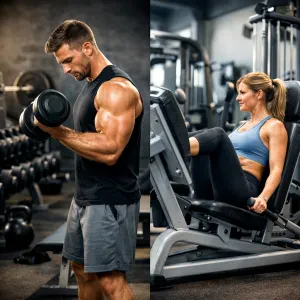
Next, look at your fitness goals. Do you want to build muscle? Improve cardio? Stay active during your day? Your aim shapes what gear makes sense for you. Someone focused on strength might go for free weights or resistance bands. Others aiming for heart health may prefer a rowing machine or exercise bike.
Your fitness level also plays a role here. Beginners might only need basic tools like dumbbells and mats. Those with more experience could choose racks, benches, or cable systems.
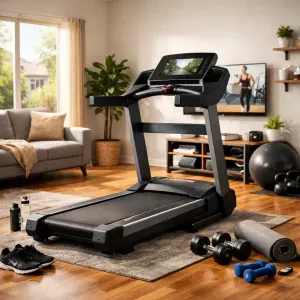
Also think about noise levels if you're sharing walls with others in flats or terraced homes. Some equipment can be loud when used often—like treadmills—so consider options like magnetic rowers, which make less sound.
Lighting and airflow matter as well. A small fan near an open window can help keep things cooler during workouts without needing expensive changes.
When learning how to build a home gym, matching your setup to both your space and personal aims will make it easier to stay consistent without wasting money on things you'll never use.
How to Build a Home Gym That Fits Your Budget
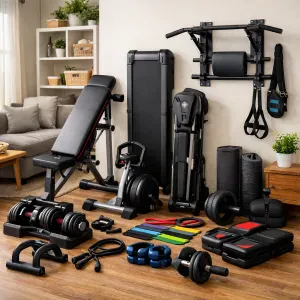
Setting up a space for workouts at home doesn’t need to cost much. You can start small and still get great use out of it. Think about what you really need first. If your focus is on strength, a set of resistance bands can be useful. They don’t take up much space and let you train most muscle groups.
A yoga mat is another smart choice. It works for stretching, core exercises, and bodyweight moves like push-ups or planks. These items usually cost less than going out for one meal, but they last a long time if looked after properly.
As your fitness goals grow, you might want heavier equipment. Dumbbells or kettlebells come in different sizes and prices. You don’t have to buy them all at once—start with one pair that suits your level now.
If you prefer cardio, skipping ropes or step platforms can raise your heart rate without breaking the bank. For those who want machines but don’t want to spend too much upfront, second-hand options often offer good value. Check local listings or online marketplaces before buying anything new.
Some people choose to invest more over time by adding equipment bit by bit when their budget allows it. This lets you build up your gym in stages instead of spending all at once.
Learning how to build a home gym means thinking about what matters most right now—not what looks good in photos or ads. Focus on tools that match how you like to move each week.
You might not need everything straight away either—test things first before committing money to bigger gear like treadmills or bikes. This way, every item earns its place based on how often it’s used and how well it fits into daily life.
Start simple, then add only what makes sense for your routine and space available at home.
Choose Equipment Based on Your Fitness Level
Start by thinking about where you’re at right now with your fitness. If you're just starting out, you don’t need a lot of gear. A few dumbbells, a resistance band, and a mat can do the job. You can also use your own body weight for exercises like push-ups or squats. These tools take up little space and cost less than big machines.
If you've been working out for a while, you might want to add more items. Kettlebells, an adjustable bench, or a pull-up bar could offer more challenge. They help target different muscles and give variety to your sessions. At this point, it’s easier to keep going if your workouts feel fresh.
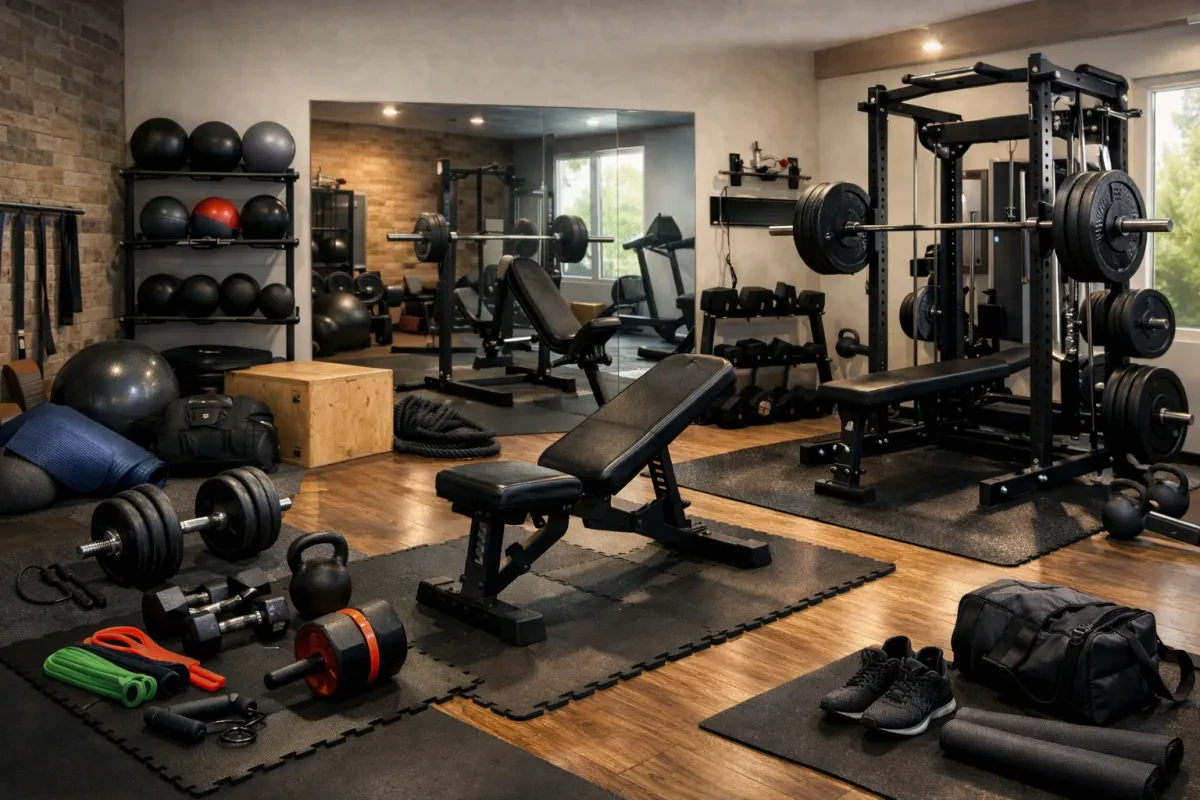
For those who train often and have built strength over time, heavier equipment may be useful. Power racks let you lift safely at home without needing someone to spot you. Barbells and weight plates open up more choices for lifting routines. Cardio machines like rowing machines or treadmills support heart health and endurance goals.
No matter what level you're at now, think ahead too. Choose items that fit both today’s needs and tomorrow’s plans. That way, as your ability grows, your setup keeps pace without needing major changes.
Space matters too—pick gear that fits into the room available without making things cramped or hard to move around in.
Understanding how to build a home gym starts with picking tools that match how strong or active you are today—not what others use or suggest online. This helps avoid injury and boosts confidence as you go along.
As progress comes slowly over time, having the right equipment makes each step smoother and more consistent across weeks or months of training at home.
Create a Motivating Workout Environment
Setting up your space can help you stay on track. You don’t need much to make your area feel right for exercise. Start by picking a spot that feels separate from the rest of your home. It could be a spare room, garage, or even just a corner in your living room. What matters is that it feels like your training zone.
Good lighting helps keep energy levels up. Natural light works well, but if that’s not an option, choose bright overhead lights or strong lamps. Avoid dim spaces—they can make it harder to stay focused and alert.
Mirrors let you check form while also making the space feel more open. You don’t need full walls covered in glass—one large mirror does the job. It helps with movement and gives feedback during each session.
Music plays a big part too. A speaker or small sound system lets you play tracks that boost motivation during workouts. Some people prefer silence, but having music ready gives you another tool when energy dips.
Motivational posters or printed quotes can give a little push when needed. Choose words that matter to you—not generic phrases off the internet but something personal or meaningful.
Keep things tidy as well. When equipment has its place, it's easier to get started without delay or stress over messiness. Use shelves, boxes, or hooks—it doesn’t have to cost much.
A clean and welcoming setup makes daily use easier and more likely. Many people ask how to build a home gym they’ll actually use—this part matters just as much as choosing weights or machines.
Set up your area so it invites action every day rather than feeling like another chore waiting for attention after long hours at home or at the office.
Your Perfect Home Gym Is Closer Than You Think
Whether you're working with a tight budget or aiming for a fully kitted-out fitness space, building a home gym is more achievable than ever. By assessing your available space and defining your fitness goals, you can make smart choices that suit both your needs and your wallet. Choosing the right equipment for your current fitness level ensures you’ll stay motivated and safe, while creating an inspiring environment will keep you coming back for more. Now that you know how to build a home gym tailored to your lifestyle, it’s time to turn those plans into action.