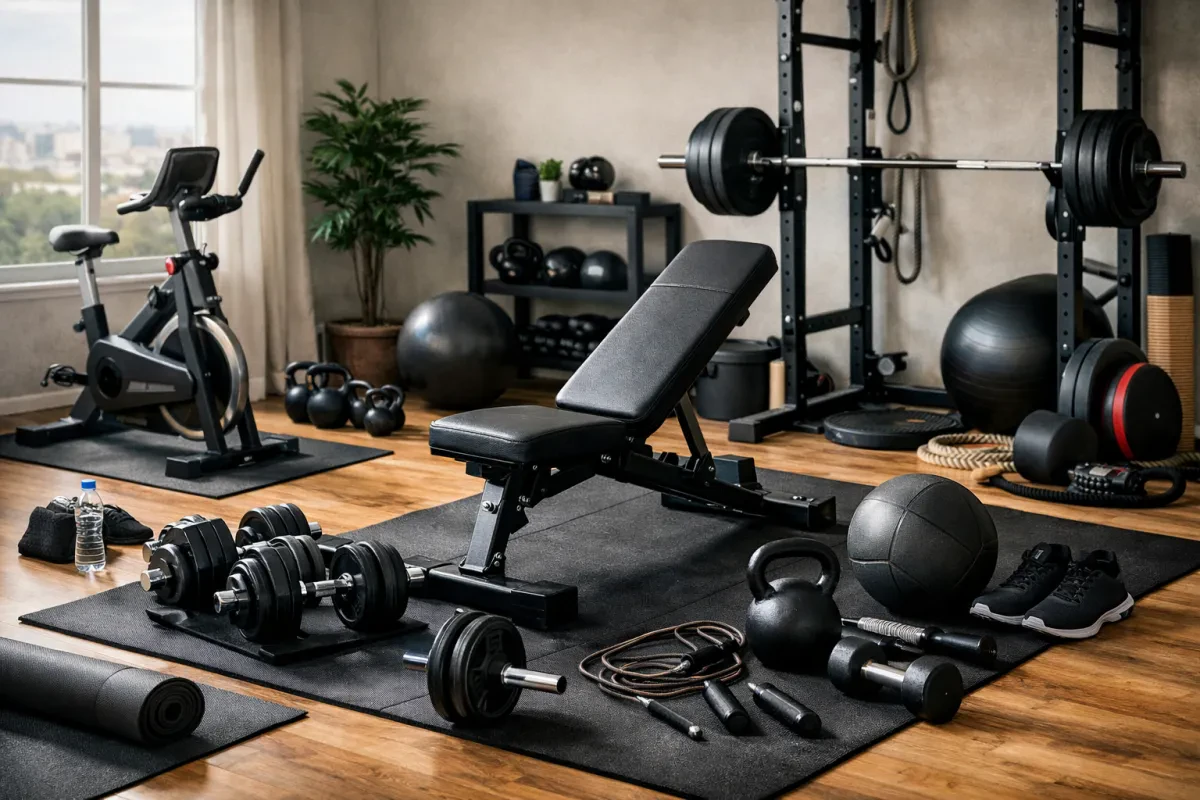
Working out at home sounds great—until you start looking for gear and realize how many options there are. From compact bikes to adjustable dumbbells, the range of home fitness equipment can feel endless. Whether you’ve got a spare room or just a corner in your living room, finding the right setup doesn’t have to be stressful. This article breaks down popular choices and what actually works in real homes. You don’t need a full gym to stay active—you just need tools that match your space, budget, and routine. Let’s make sense of it all so you can get moving without overthinking it.
Treadmills
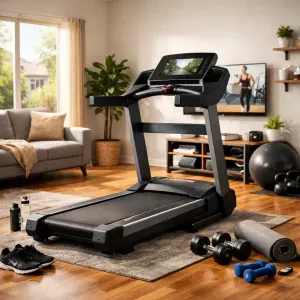
Treadmills stay at the top of the list when it comes to indoor workout machines. They offer a simple way to walk, jog, or run without leaving your house. You don’t have to worry about bad weather or finding time for an outdoor route. Just step on and start moving.
One strong reason people choose treadmills is the control they provide. You can change the speed or incline with a press of a button. This helps you match your workout to how you feel that day—whether you're going for a slow walk or pushing through a fast run.
Many models now come with built-in screens or app support. These help keep workouts fresh by offering different programs, virtual routes, or even live classes. Some also track stats like heart rate, distance, and calories burned so you can follow your progress over time.
Space is often tight at home, but there are foldable options made just for small rooms. These versions fold up after use and tuck away under furniture or in closets. If you're short on room but still want cardio gear, this could be worth looking into.
Cost varies widely across brands and features. Basic designs focus only on walking functions while others have extra tools like Bluetooth speakers or large touchscreens. That means there’s likely something out there that fits both your routine and wallet size.
Setup might seem tricky at first glance—but most treadmills come with clear instructions and parts labeled in order. Some retailers also offer delivery with assembly included if you'd rather not handle it yourself.
This type of home fitness equipment works well whether you're just starting out or already active every week. It keeps things flexible so you can move anytime that fits into your schedule—even early mornings before kids wake up or late evenings after dinner’s done.
Mixing treadmill use with other gear later on gives more variety too—so boredom doesn’t sneak in as fast over time.
Adjustable Dumbbells
Adjustable dumbbells solve a common problem for people training at home. They take up less space than a full rack of weights. You don’t need a whole wall filled with metal just to do some curls, presses, or rows. With one set, you can change the weight quickly and keep moving through your workout.
These dumbbells come with simple mechanisms. Some use dials, others use pins or sliders. Changing from 10 to 50 pounds takes seconds. That makes it easier to move between exercises without losing time or rhythm. You won’t need multiple sets lying around your living room or spare bedroom.
For anyone who wants variety in their training, these offer plenty of options. You can do chest presses on the floor, lunges while holding them by your sides, or shoulder lifts without needing different gear every time. Most models go light enough for beginners but also heavy enough for experienced lifters.
They’re also great if you want to avoid clutter and still get solid strength sessions done at home. Since they combine several weights into one pair, adjustable dumbbells help save both money and storage space over time.
Some versions even come with stands to keep them off the ground when not in use. This helps organize your area better and reduces mess during workouts.
When looking into home fitness equipment, this is often one of the first items worth considering for strength training goals—especially if you're tight on room but still want effective tools that support progress over months and years ahead.
Many brands now make compact designs that fit easily under beds or inside closets once you're done using them. So whether you're lifting early before breakfast or squeezing in a quick session after dinner, they stay out of the way yet always ready when needed again.
Resistance Bands
Resistance bands make strength training at home simple. They don’t take up much space, and you can store them in a drawer or hang them on a hook. You can use them for squats, curls, shoulder presses, or even warming up before other exercises. Many people like that they come in different tension levels. This means you can pick the one that matches your current fitness level and switch to another as you improve.
These bands help with both muscle building and flexibility. You can stretch your legs, arms, or back using just one band. They also add extra resistance to bodyweight movements like pushups or lunges without needing heavy gear. If you're short on room at home, these bands fit into small spaces easily—no bulky machines needed.
Another reason people choose resistance bands is their price point. Compared to weights or larger machines, they cost less but still offer solid results when used right. Whether you're doing full-body workouts or focusing on smaller areas like arms or glutes, the variety of moves is wide.
They’re also easy to set up—just grab a band and start moving. No tools required and no complicated instructions to follow. You don’t need experience either; many online videos show how to use them safely.
If you're trying to build out your home fitness equipment setup without spending too much money or filling up your space with large items, resistance bands check all the boxes. They're portable too—you can take them from room to room or even pack them during travel if needed.
Using resistance bands regularly helps keep workouts fresh by changing angles and movement styles often overlooked with fixed-weight equipment. With so many ways to use just one tool, it's not hard to see why they're part of many people's daily routine at home.
Exercise Bikes
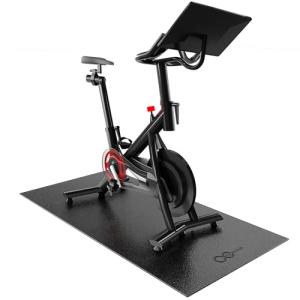
Stationary bikes give you a way to ride indoors without needing a big setup. You don’t need much space. Most models fit in small corners, spare rooms, or even next to your couch. Some fold up and roll away when you're done using them. That makes them easy to store if you’re short on room.
These bikes help with heart health and stamina. They get your heart rate up but keep pressure off your knees and ankles. If running hurts or feels too intense, cycling can feel easier on your joints while still helping you burn calories.
You can use an exercise bike at any pace that fits your comfort level. Start slow or push harder depending on how much energy you have that day. It’s a flexible option for people who want to stay active without going outside or dealing with gym crowds.
Some bikes come with screens that show classes or track stats like speed, distance, and time. Others keep it simple with basic controls and fewer parts to figure out during setup. You can choose what works best for how involved you want the experience to be.
If staying motivated is tough, some models offer built-in programs that guide each session so you don’t have to plan anything yourself. Others let you stream shows while pedaling so time passes quickly without feeling like a chore.
As part of your home fitness equipment, an indoor bike gives steady results over time if used regularly. It doesn’t require heavy lifting or complex routines either — just sit down and start pedaling whenever it suits your schedule.
Whether you're starting out or coming back from a break, this machine adjusts easily to different fitness levels without making things complicated.
Home Fitness Equipment for Every Lifestyle
Finding the right gear for your workout routine doesn’t have to be hard. Whether you like fast-paced sessions or slow and steady movement, there's something that fits. Some people want tools that take up little room. Others want machines that offer many options in one setup.
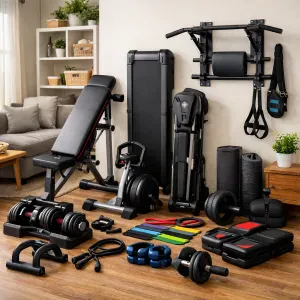
If space is tight, resistance bands, foldable benches, or door-frame pull-up bars can help. These items don’t need much storage and still support a range of exercises. Yoga mats and kettlebells also fit well into small areas while offering solid training choices.
For those who prefer more variety, multifunctional stations might be worth a look. These machines often combine weights, pulleys, and bars in one unit. They let you switch between different movements without needing several separate items.
Some folks aim to keep things simple with bodyweight-focused setups. A jump rope or push-up board can add value without overfilling a room. Others enjoy cardio gear like ellipticals or rowing machines that bring steady movement into their day.
When picking home fitness equipment, think about how often you'll use it and what type of activity keeps you going. If quick workouts suit your schedule better than long ones, go for tools that support short bursts of effort—like dumbbells or compact treadmills.
Time matters too. Some equipment helps save time by offering full-body engagement in one move—like suspension trainers or indoor bikes with built-in programs.
Your budget plays a role as well. You don’t need to spend much at first to get good results at home. Start with basic gear that works across multiple muscle groups before adding more advanced tools later on.
No matter your level of experience or interest, there’s always an option out there that matches how you like to stay active at home without taking over your space—or wallet.
Yoga Mats
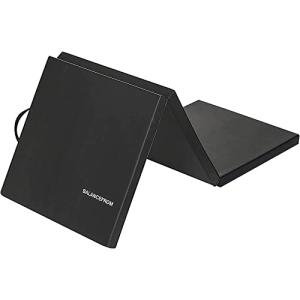
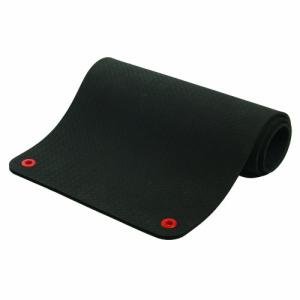
A yoga mat is one of the first things people get when they start building their home fitness equipment setup. It’s simple, doesn’t take up much space, and has many uses. Whether you're doing a full yoga routine or just some light stretching at the end of a long day, it helps you stay steady on your feet—or back.
You don’t need to be into yoga to use one. A mat can support bodyweight exercises like planks, push-ups, or crunches. It gives your hands and feet something solid to grip so you’re not slipping around on hardwood or tile floors. That extra traction helps reduce slips during moves that need more control.
It also adds a layer between you and the floor. That can make movements feel smoother and easier on your joints. If you're doing core workouts that involve lying down or sitting for long stretches, a mat provides needed cushion without being too soft.
Mats come in different thickness levels. Thicker ones give more padding but may feel less stable during balance poses. Thinner mats offer better ground contact but might not feel as comfortable if you're kneeling for long periods.
Storage is simple since most mats roll up tightly and tuck away in closets or corners when not in use. Some even come with straps so you can hang them behind doors or carry them easily from room to room.
Cleaning is quick too—just wipe it down after each session with water or a mild spray cleaner made for workout gear.
For anyone trying to turn part of their home into a personal training space, a yoga mat is an easy starting point that supports different types of movement without needing big investments or lots of square footage.
Smart Mirrors
Smart mirrors bring guided workouts right into your space without taking up much room. They look like regular mirrors when off, but once turned on, they show a screen with live or recorded classes. Some models offer real-time feedback, helping you correct form while you move. You can follow along with trainers from home and pick sessions that match your level or goals.
These devices connect to apps or online platforms where you can choose from strength training, yoga, cardio, and more. Many smart mirrors also track progress over time—things like reps completed or calories burned. This helps users stay focused and see how they’re improving week by week.
Another helpful feature is the built-in camera on some models. It watches your movements during a workout and gives pointers if something’s off. That way you don’t need to guess whether you're doing an exercise correctly. The coaching feels more personal than just watching a video.
Smart mirrors often save space because they mount on walls or lean against them. You don’t need extra gear unless the workout asks for weights or bands—and even then, everything stays compact and easy to store.
For people unsure what kind of home fitness equipment to buy first, this option covers several needs at once: instruction, tracking results, variety in routines, and minimal clutter in the house.
Some brands come with monthly subscriptions for access to their full class library and trainer support. Others give free content but fewer program choices. Depending on what matters most—price range, types of workouts offered, or personalized help—you can pick something that fits both schedule and budget.
Setup is usually simple: plug it in, connect it to Wi-Fi through an app on your phone or tablet, then start choosing programs right away without needing heavy assembly tools or tech skills.
Finding the Right Fit for Your Fitness Journey
No matter your space, budget, or workout style, there’s a piece of home fitness equipment that can help you stay active and motivated. From versatile adjustable dumbbells and compact resistance bands to high-tech smart mirrors and cardio staples like treadmills and exercise bikes, building a personalized setup has never been more accessible. Even small additions like yoga mats can make a big difference in your routine. The key is choosing gear that fits your goals and lifestyle—without overwhelming your space or wallet. With the right home fitness equipment, staying consistent becomes not just doable, but enjoyable.