When it comes to building strength, improving endurance, or sculpting your dream physique, the debate of free weights vs machines is one that every fitness enthusiast encounters. Both options offer unique benefits and can play a pivotal role in achieving your goals, but deciding which is best for you depends on factors like experience level, workout preferences, and specific objectives. Whether you're drawn to the versatility of free weights or the guided precision of machines, understanding their differences will help you make an informed choice. Let’s explore how each option stacks up and discover which approach aligns with your fitness journey.
Understanding the Basics
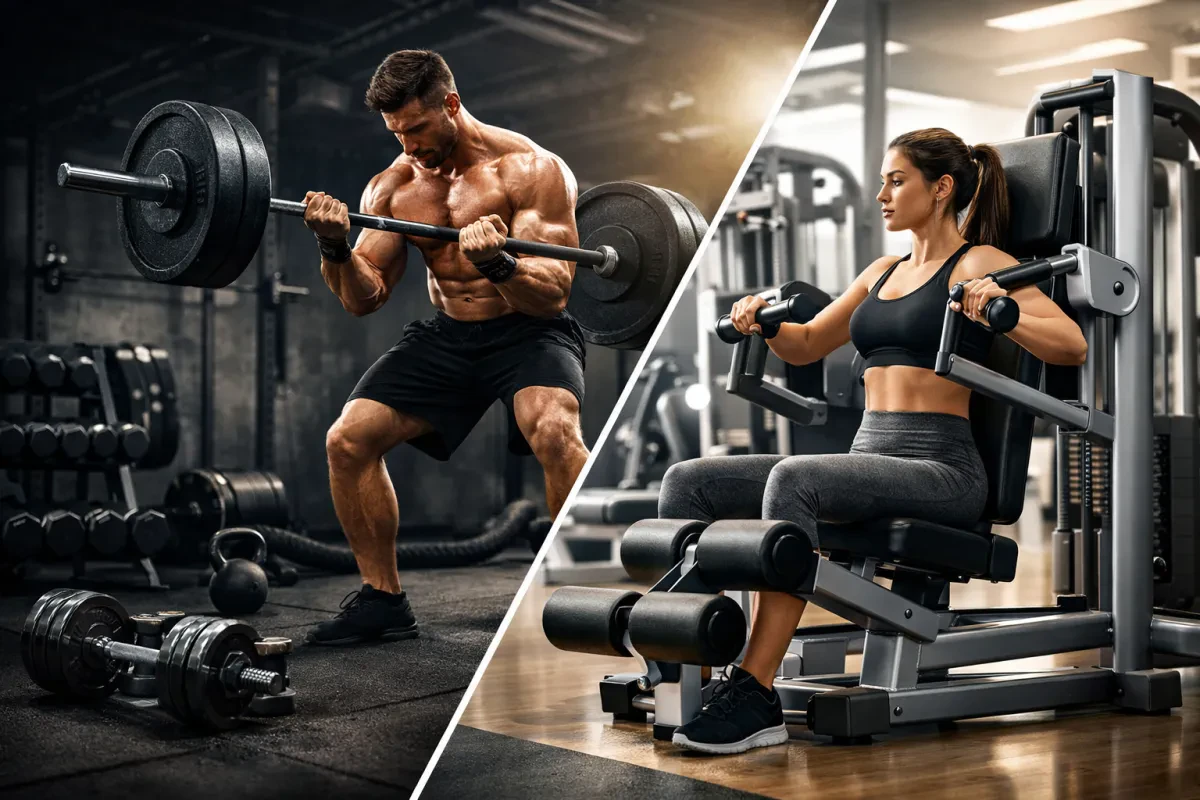
Free weights and machines play different roles in fitness routines. Free weights, such as dumbbells and barbells, allow users to move freely without being restricted by a fixed path. This freedom helps replicate movements that occur in day-to-day activities or sports. By using free weights, multiple muscle groups often activate at once because the body must stabilize itself during the exercise.
On the other hand, machines guide your movement along a set track. These devices focus on isolating specific muscles while reducing the need for balance or coordination. For example, a leg press machine targets the legs without requiring much upper body involvement. Machines can be useful for beginners who want to learn proper technique with reduced risk of error.
When comparing free weights vs machines, it is important to consider how each impacts your workout goals. Free weights encourage functional strength by engaging stabilizing muscles alongside primary ones. This makes them effective for building overall strength and improving balance. Machines, however, excel at focusing effort on one area of the body at a time, which can help in rehabilitation or correcting muscle imbalances.
Another key distinction lies in flexibility and accessibility. Free weights offer more variety since they can be used for countless exercises across many planes of motion. Meanwhile, machines require adjustments and may only allow movement in limited directions based on their design.
Both options serve distinct purposes depending on individual needs or preferences within fitness programs.
Free Weights vs Machines
When comparing free weights vs machines, it is important to focus on how they differ in their approach to training. Free weights, such as dumbbells and barbells, require more stability during exercises. Your body must engage multiple muscles to maintain balance while lifting. This helps improve coordination and works smaller supporting muscles that may not be activated otherwise.
Machines, on the other hand, guide your movements along a fixed path. This design reduces the need for stabilization, making them easier to use for those new to exercise. Beginners can learn proper form without worrying about controlling the weight’s movement. This makes machines a popular choice for people who want a straightforward workout experience.
Another key difference lies in range of motion. Free weights allow you to move through a natural and unrestricted path depending on your body mechanics. You control how far or how wide you move during an exercise like squats or bench presses. Machines limit this flexibility by following pre-set tracks designed by manufacturers. While this can help avoid improper movements, it may not suit everyone’s unique anatomy.
Accessibility is also worth noting when evaluating these tools. Machines often come with clear instructions and adjustable settings that cater to various fitness levels and body types. Free weights require more knowledge about proper technique since there is no built-in guidance system.
Both options offer benefits but serve different needs based on goals and experience levels. Understanding these distinctions can help determine which tool aligns better with personal preferences or targets within a workout routine.
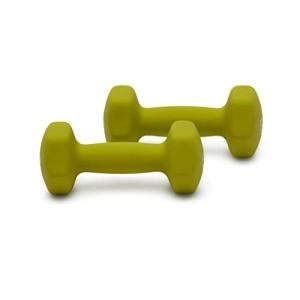
Neoprene Dumbbell Set (2.3 Kg Each) - Green
Get a versatile workout with a colorful and comfortable dumbbell set perfect for home exercises
Product information
£9.61
Product Review Score
4.96 out of 5 stars
206 reviewsProduct links
Choosing Based on Your Fitness Goals
Your goals shape the tools you choose for exercise. If your aim is to build strength and improve overall movement, free weights may be better. They allow your body to move freely and engage multiple muscles at once. This can help with functional fitness, which focuses on movements used in daily life. Free weights also challenge balance and coordination, as they require stabilizing muscles to stay active during each lift.
If your goal is muscle isolation or recovery from injury, machines might suit you more. Machines guide your movements along a fixed path. This can reduce the risk of using improper form while focusing on one specific muscle group at a time. For example, leg extension machines target only the quadriceps without involving other parts of the body.
Another factor is experience level. Beginners who want to develop confidence may benefit from starting with machines due to their controlled range of motion. On the other hand, advanced lifters seeking variety or progression often prefer free weights because of their versatility.
When comparing free weights vs machines, it’s important to think about safety too. Machines tend to be safer for individuals recovering from injuries or those unfamiliar with certain exercises since they minimize external factors like balance.
Your personal objectives should guide your choice between these two options rather than trends or outside opinions. Both tools offer unique benefits depending on what you wish to achieve in fitness training sessions.
Blending Both for Optimal Results
A workout plan that mixes equipment and methods can help you get stronger and fitter. Using free weights vs machines together allows you to benefit from the strengths of each type of training tool. Free weights, like dumbbells or barbells, support compound movements. These exercises engage multiple muscles at once and improve coordination. Machines, on the other hand, focus on single muscle groups. They guide your movement using fixed paths, which reduces the risk of errors.
Combining both options gives variety to your routine while targeting different goals. For example, free weights can be used for squats or deadlifts to train large muscle groups like legs or back. These exercises require balance and stability because they mimic natural body movements. Machines complement this by isolating smaller muscles for more precise strengthening. A leg press machine works well after a squat session as it isolates your quadriceps without extra strain on stabilizer muscles.
Blending these tools also helps during recovery periods or when managing fatigue levels. After intense free-weight lifts that demand full-body effort, machines allow you to keep training with less stress on your joints or form breakdowns due to tiredness. This approach ensures consistency in workouts without skipping sessions.
Switching between free weights and machines also prevents monotony in training plans over time. It keeps sessions engaging while ensuring every muscle group is worked effectively from various angles within one program format focused on balance rather than just one method of lifting equipment alone.
Finding Your Perfect Balance in Strength Training
Whether you’re drawn to the versatility of free weights or the stability of machines, understanding their unique benefits is key to aligning your workouts with your fitness goals. Free weights offer greater range of motion and functional strength, while machines provide controlled movements ideal for beginners or injury recovery. The choice ultimately depends on your objectives—be it building muscle, improving athletic performance, or ensuring safety. For most, blending both can yield optimal results by diversifying challenges and minimizing plateaus. By weighing the pros and cons of free weights vs machines, you can create a balanced routine that supports long-term progress and success.